
A Deeper Look At...
Toxic Exposures by Trade
How Common American Jobs May Be Contributing to Fatigue, Inflammation, and Brain Fog
Discover how common American blue collar jobs might be linked to fatigue, inflammation, and brain fog. Specifically, we will look at 10 different trades that many people work in every day. Each of these jobs has its own unique challenges and risks for exposure to harmful toxins.
Understanding these risks can help workers make informed choices to protect their health. Let’s dive into the trades and see which toxins might be hiding in plain sight.

Here's The Bottom Line
Many American trades involve daily contact with dusts, fumes, vapors, metals, and chemical residues that occupational and environmental research has linked to inflammation, oxidative stress, immune workload, and changes in cognitive performance.
Construction workers, electricians, plumbers, welders, mechanics, painters, HVAC technicians, landscapers, agricultural workers, and first responders are among those most likely to experience repeated low-level exposure through jobsite air, materials handling, confined spaces, and combustion byproducts.
Scientific evidence shows that these exposures do not need to be extreme to matter. When they occur repeatedly over years, and are combined with indoor air quality issues, drinking water contaminants, and modern food systems, they may contribute to symptoms commonly reported by hardworking Americans, including low energy, mental fog, slower recovery, and overall fatigue.
This page explains where those exposures come from by trade, and what research has found about their potential effects so you can better understand why supporting your foundation matters.
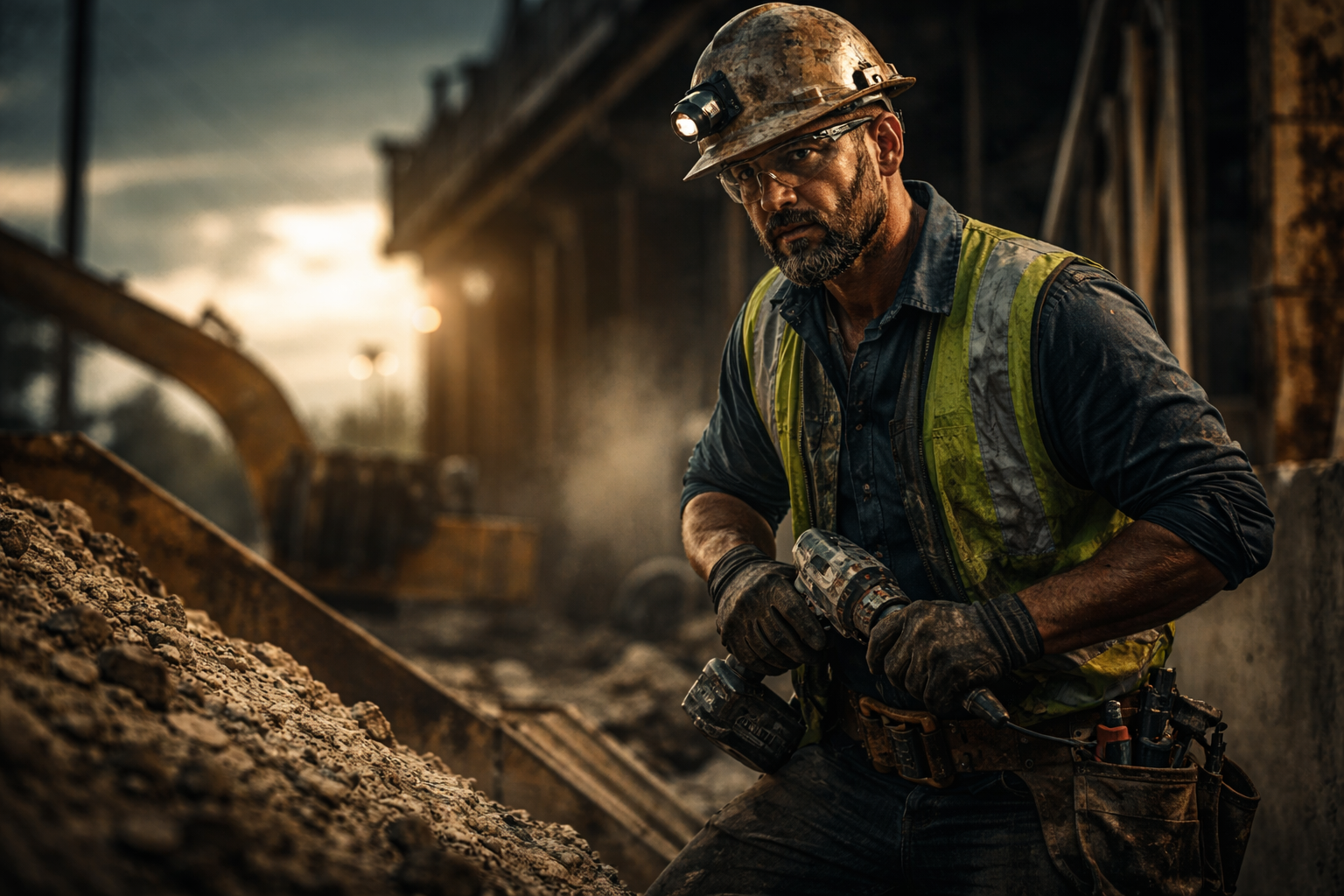
1. Construction Workers and General Contractors
Construction work exposes the body to a wide spectrum of airborne and surface contaminants, often simultaneously.
Common exposure sources
Concrete cutting, drilling, grinding, demolition, renovation of older buildings, heavy equipment operation, adhesives, sealants, and fuel powered tools to START. Depending on what type of jobs they take on, this list is almost endless.
Primary exposures
-
Respirable crystalline silica from concrete, brick, and stone
-
Diesel exhaust particles from equipment and generators
-
Lead dust from older paint, pipes, and building materials
-
Solvents, adhesives, and curing compounds
What research shows
Silica and diesel particulate exposure are well documented in occupational health literature as contributors to respiratory inflammation and oxidative stress. Lead exposure in construction and renovation settings has been associated with neurological effects and increased inflammatory markers in exposed workers. These pathways are commonly discussed in research examining fatigue, reduced resilience, and slower recovery in physically demanding occupations.

2. Electricians
Electricians often work in older structures and confined spaces, increasing contact with legacy materials and chemical residues.
Common exposure sources
Electrical panels, wall cavities, crawlspaces, ceilings, and retrofitting older buildings.
Primary exposures
-
Lead dust from aging infrastructure
-
PVC and plastic off gassing from wiring and insulation
-
Flame retardant residues used in electrical components
-
Solder fumes
What research shows
Lead exposure has been extensively studied for its effects on cognitive function and inflammatory signaling. Flame retardant compounds and plastic additives have been examined for potential neurobehavioral effects and endocrine disruption pathways. While electricians may not experience acute symptoms, long term exposure is part of the cumulative load research often discusses in relation to mental clarity and fatigue.
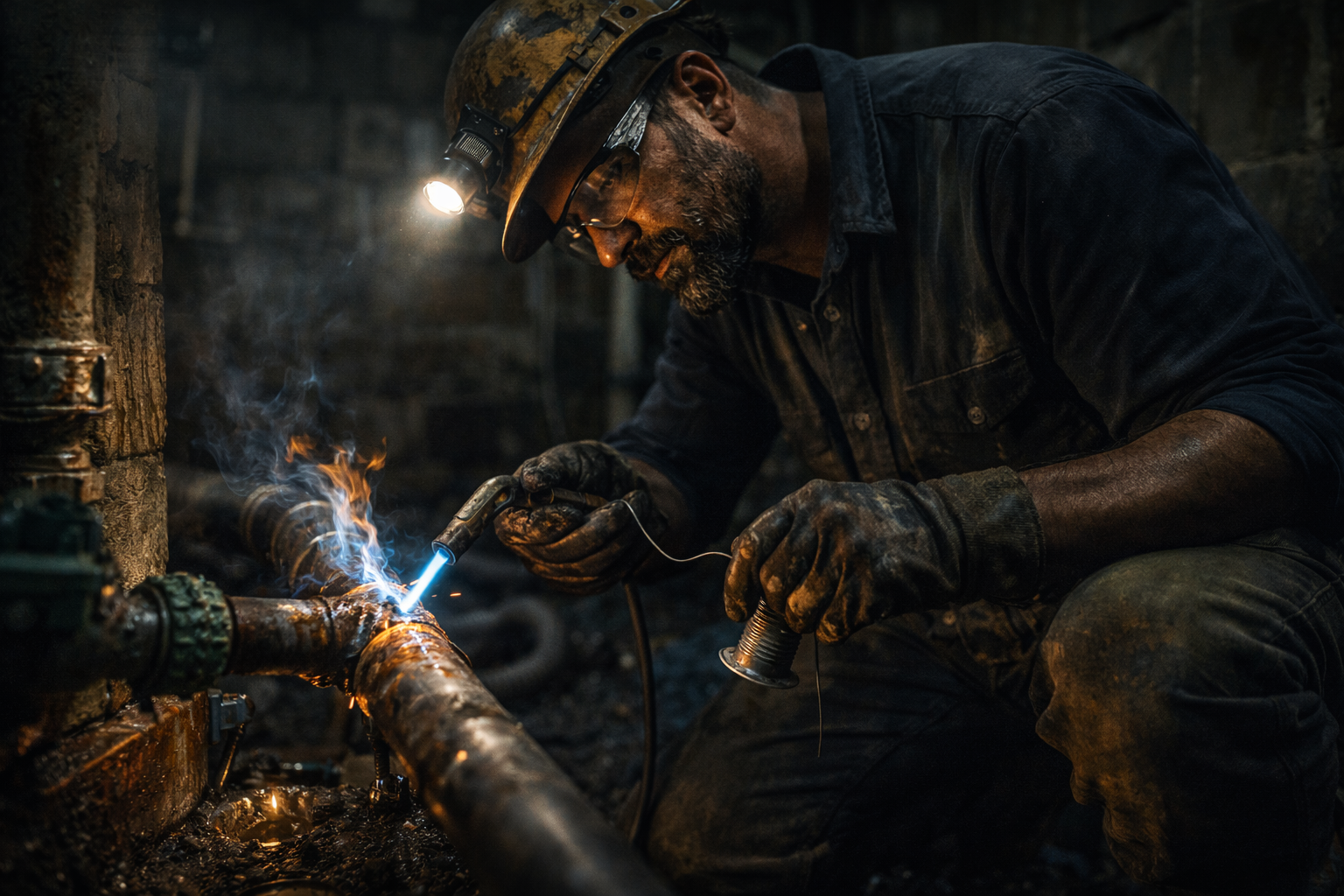
3. Plumbers and Pipefitters
Plumbers work directly with water systems, damp environments, and aging materials, which creates unique exposure patterns.
Common exposure sources
Old pipes, soldering, basements, crawlspaces, sewer connections, and water damaged structures.
Primary exposures
-
Lead from pipes and solder
-
Flux fumes during soldering
-
Mold spores and microbial byproducts
-
Sewer gases and hydrogen sulfide
What research shows
Lead exposure through plumbing materials is a recognized public health issue. Damp environments and mold are associated in building health literature with symptoms such as fatigue, headache, and difficulty concentrating. Sewer gas exposure is known to cause irritation and neurological symptoms at higher levels and contributes to overall occupational stress on the nervous system.

4. Welders and Metal Fabricators
Welding creates intense airborne exposures through heated metals and combustion processes.
Common exposure sources
Arc welding, cutting, grinding, and fabrication in shops or enclosed spaces.
Primary exposures
-
Heavy metals such as manganese, nickel, and chromium
-
Metal fumes and fine particulates
-
Ozone generated during welding
What research shows
Occupational studies associate welding fumes with oxidative stress and inflammatory responses. Manganese exposure, in particular, has been studied for neurological effects in workers. Research often focuses on changes in motor function and cognitive performance, which aligns with reported issues of mental fatigue and reduced focus in exposed populations.
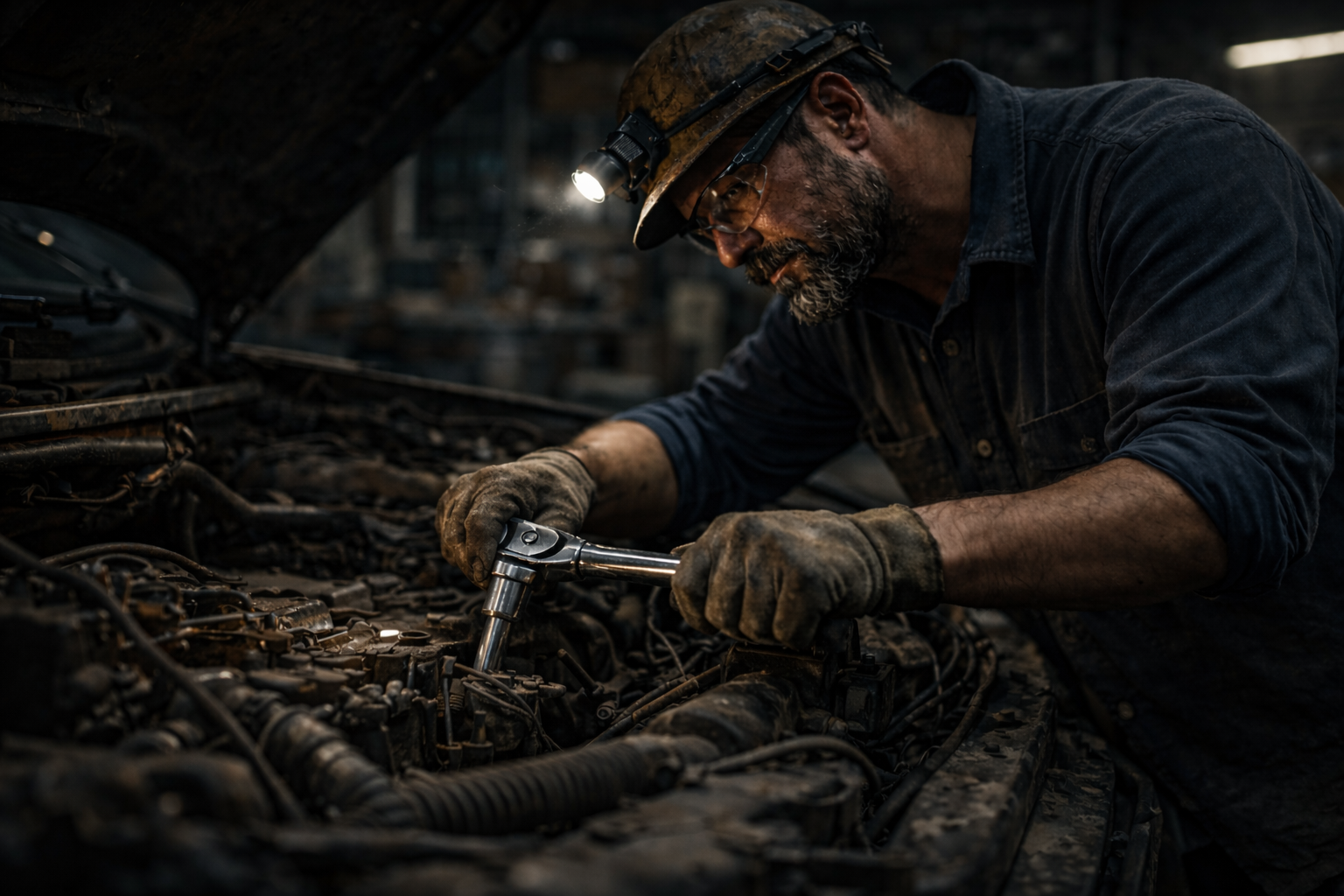
5. Mechanics and Diesel Technicians
Mechanics experience chronic contact with combustion products and petroleum chemicals.
Common exposure sources
Repair bays, diesel engines, fuel systems, brake systems, and cleaning processes.
Primary exposures
-
Diesel exhaust particles
-
Solvents and degreasers
-
Brake dust
-
Fuels and lubricants
What research shows
Diesel exhaust exposure is strongly linked to systemic inflammation and oxidative stress in occupational studies. Solvents have been examined for neurotoxic potential at higher or prolonged exposures. These mechanisms are frequently cited in fatigue and recovery research involving industrial workers.

6. Painters and Finishers
Painting introduces chemical exposure through inhalation and skin contact, especially in enclosed environments.
Common exposure sources
Spray painting, rolling, brushing, surface preparation, and finishing work.
Primary exposures
-
Volatile organic compounds
-
Solvents
-
Isocyanates
-
Aerosolized paint particles
What research shows
The Environmental Protection Agency notes that certain VOC exposures are associated with headaches, dizziness, and memory impairment. Occupational studies examine painters for cognitive and neurological effects, particularly when ventilation is limited.
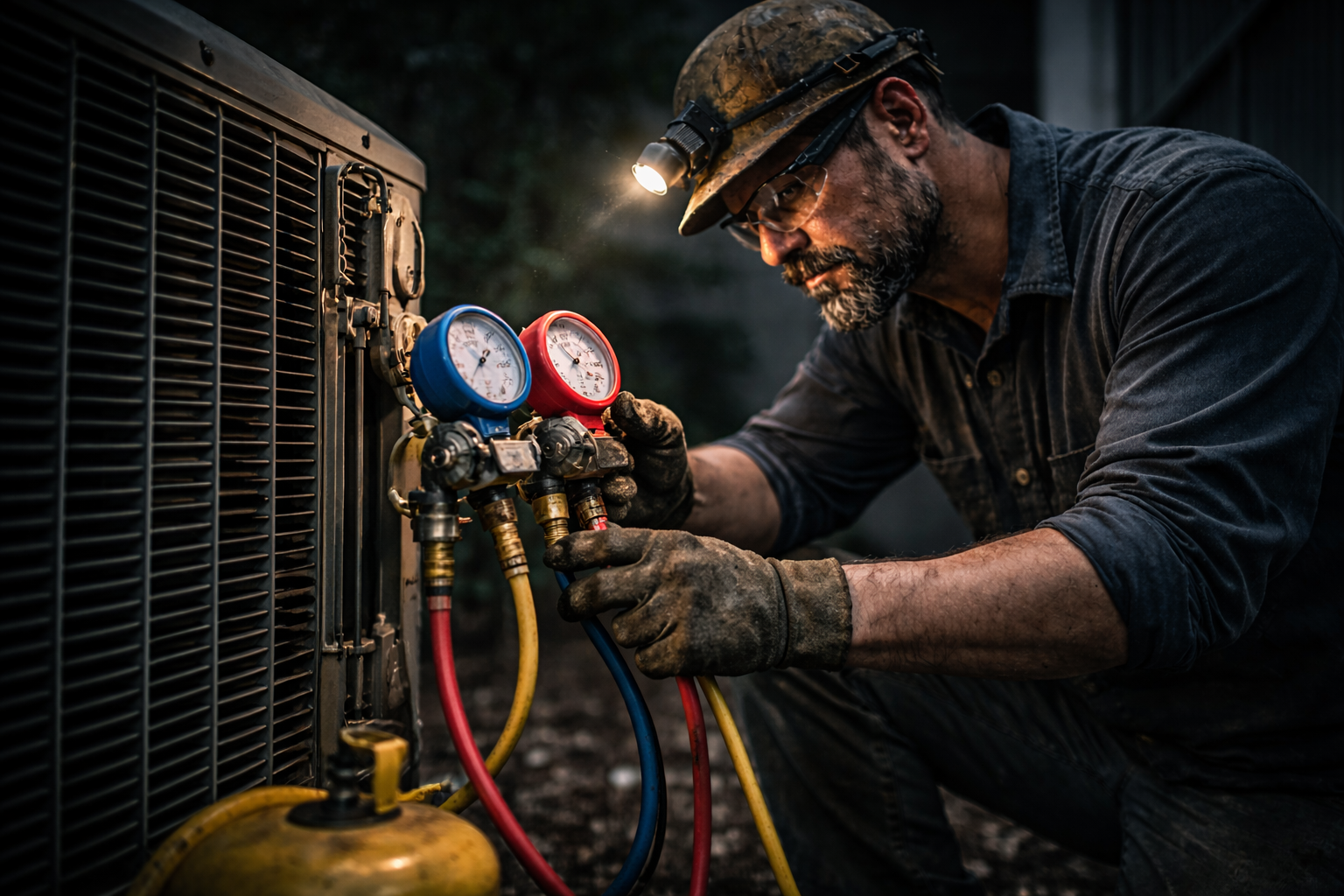
7. HVAC Technicians
HVAC work places technicians at the intersection of airflow, combustion, and indoor environments.
Common exposure sources
Mechanical rooms, duct systems, furnaces, air handlers, and older buildings.
Primary exposures
-
Refrigerants
-
Mold spores and dust
-
Combustion byproducts
-
Cleaning chemicals
What research shows
Exposure to mold and combustion byproducts is discussed in indoor air quality literature in relation to respiratory stress and fatigue like symptoms. Refrigerant exposure is also studied for neurological and cardiac effects at elevated levels, reinforcing the importance of cumulative exposure awareness.

8. Landscaping and Groundskeeping Professionals
Outdoor work does not mean clean exposure.
Common exposure sources
Spraying, mixing chemicals, equipment operation, and fuel handling.
Primary exposures
-
Pesticides and herbicides
-
Fertilizers
-
Gasoline and diesel exhaust
What research shows
Occupational pesticide exposure has been associated in multiple studies with neurobehavioral performance changes, including attention and reaction time. These findings are commonly referenced in discussions of mental fog and fatigue in exposed workers.

9. Agricultural Workers
Agriculture combines chemical, biological, and mechanical exposure.
Common exposure sources
Crop treatment, harvesting, equipment operation, and storage facilities.
Primary exposures
-
Organophosphate pesticides
-
Dust and soil contaminants
-
Diesel exhaust
What research shows
Agricultural exposure studies frequently examine neurological effects, inflammatory responses, and fatigue patterns in workers. Organophosphates are well studied for their impact on nervous system signaling, which supports cognitive and energy related discussions.

10. First Responders and Industrial Workers
Emergency and industrial roles involve unpredictable and intense exposures.
Common exposure sources
Fires, chemical incidents, training environments, and industrial processes.
Primary exposures
-
Combustion byproducts and smoke particulates
-
Industrial residues
-
PFAS containing firefighting foams
What research shows
PFAS exposure has been linked in human studies to immune system effects and changes in inflammatory markers. Smoke particulate exposure is also associated with systemic inflammation and cardiovascular strain, which can influence energy and recovery.

11. To The Trades We Didn't Mention - We See You
Not every job fits neatly into a category. If you work with your hands, show up early, stay late, and carry the weight of responsibility on your back, this conversation includes you.
Whether you are in a specialized trade, a hybrid role, a seasonal grind, or a job most people never think about, your work still exposes you to the realities of the modern environment.
Dust, fumes, chemicals, stress, heat, cold, and long hours do not ask for your job title before they take their toll. Exposure stacks the same way for the trades we did not list as it does for the ones we did. If you feel worn down, foggy, inflamed, or slower to recover than you used to, you are not imagining it and you are not alone.
This movement is about respect for the people who keep this country running. No shortcuts. No hype. Just truth, awareness, and support for those who carry the load every single day. If you work hard, your health deserves the same commitment. We see you.
Why Exposure Adds Up Over Time
These exposures do not act alone.
Particles are inhaled. Chemicals absorb through skin. Residues travel home on clothing. Drinking water, indoor air quality, and food packaging add additional load. The body processes all of it together.
When the system is constantly busy managing environmental inputs, it may struggle to maintain optimal energy, clarity, and resilience.
Supporting the Body in a High Exposure World
Reducing exposure where possible matters. Supporting the body’s natural detox pathways also matters.
This includes:
-
Clean hydration
-
Nutrient dense diets
-
Gut and liver support
-
Awareness of cumulative exposure
This is not about perfection.
It is about giving your body support instead of asking it to endure everything alone.
Discover Why...
Why So Many Hardworking American Trade Workers Start With Detox Support Like Detoxanation
Americare Supplements created Detoxanation as the first step towards your health independence. It is your daily, organic detox support. Detoxanation is designed to help people living and working in the modern American environment, that know they want to feel better, but don't know where to start.
It is not a cure.
It is not a 7 day shortcut.
It is daily foundational support for those who carry real load.
Made in the USA.
Third party tested.
Built for the people who build this country.
See the best pricing on Detoxanation below
Built for the People Who Carry the Load
Americare Supplements exists to FUEL AMERICAN GREATNESS, and help hard working Americans reclaim energy, clarity, and health independence through truth, transparency, and responsibility.
You deserve better than guessing.
You deserve support built for your reality.
