
Discover The
Top 5 Most Toxic Trades In The US
Ranked by Long Term Toxin Exposure Risk
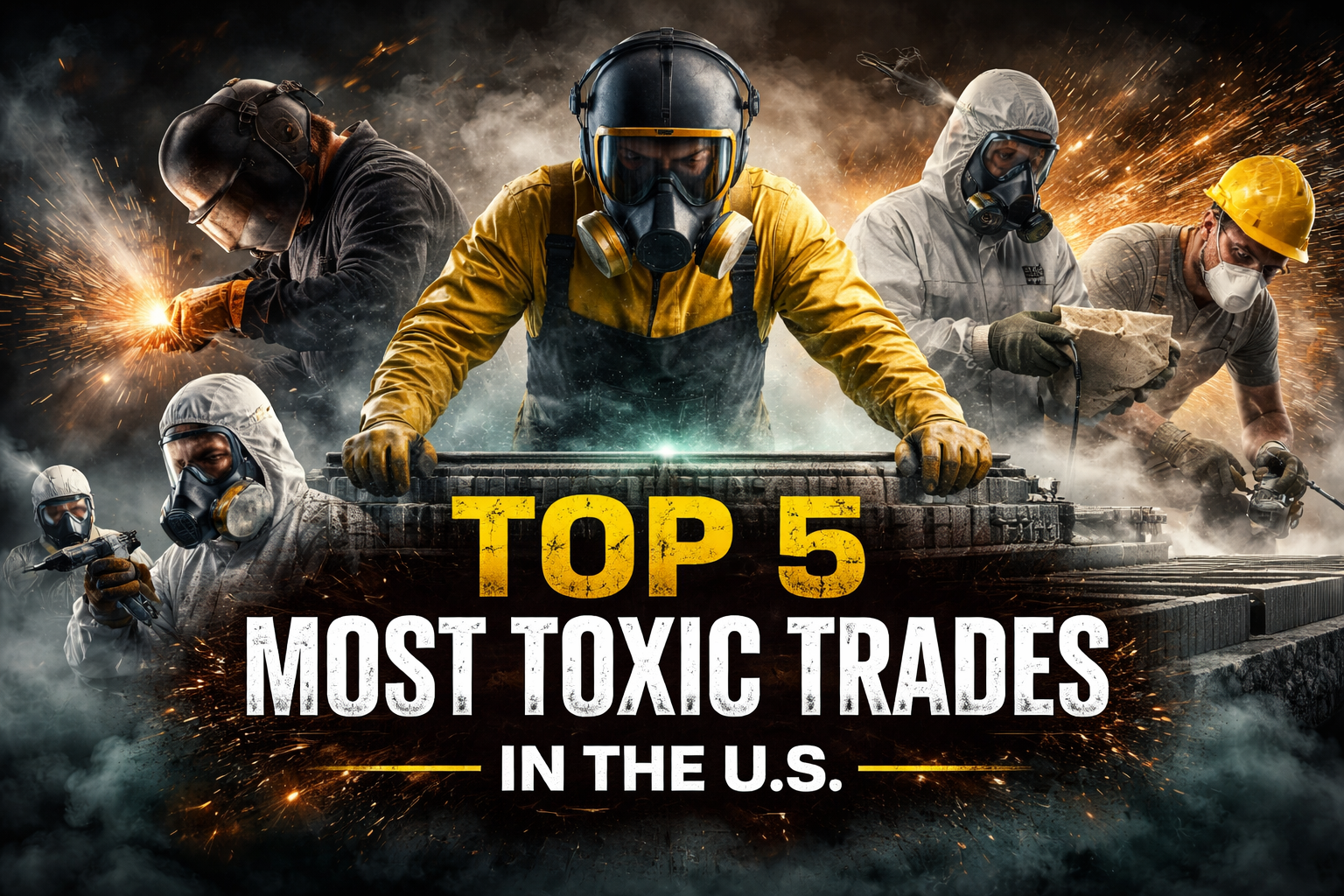
The Most Toxic Trades in the United States Are Not What People Expect
The most toxic trades in the United States are jobs where workers experience repeated long-term exposure to airborne dusts, fumes, mists, and chemical sensitizers that quietly damage the body over years rather than causing immediate injury.
Based on OSHA, NIOSH, CDC, and peer-reviewed occupational health research, this analysis ranks trade jobs by long-term toxic exposure risk using factors such as the toxicity of the substances involved, how built-in exposure is to the work itself, and the strength of documented disease outcomes in U.S. workers.
What these trades share is not danger in the moment, but danger over time: highly hazardous substances, routine aerosol generation at the breathing zone, and exposure controls that frequently fail under real-world job conditions.
What “Toxic Trades” Means in This Ranking
Many articles use the word toxic to describe stressful jobs, dangerous workplaces, or unhealthy company culture.
That is not what this ranking is about.
In occupational health, toxic exposure refers to repeated contact with substances that enter the body through the lungs or skin and accumulate damage over time. This includes airborne dusts, metal fumes, chemical mists, and sensitizers that may not cause immediate symptoms but contribute to chronic disease years later.
This distinction matters, because many workers leave dangerous jobs without injury, yet still experience serious health consequences years later.
This ranking focuses on physical toxicity to the body, not workplace culture, injury risk, burnout, or job satisfaction.
Below is our ranking of the five U.S. trades with the highest documented long-term toxic exposure risk.
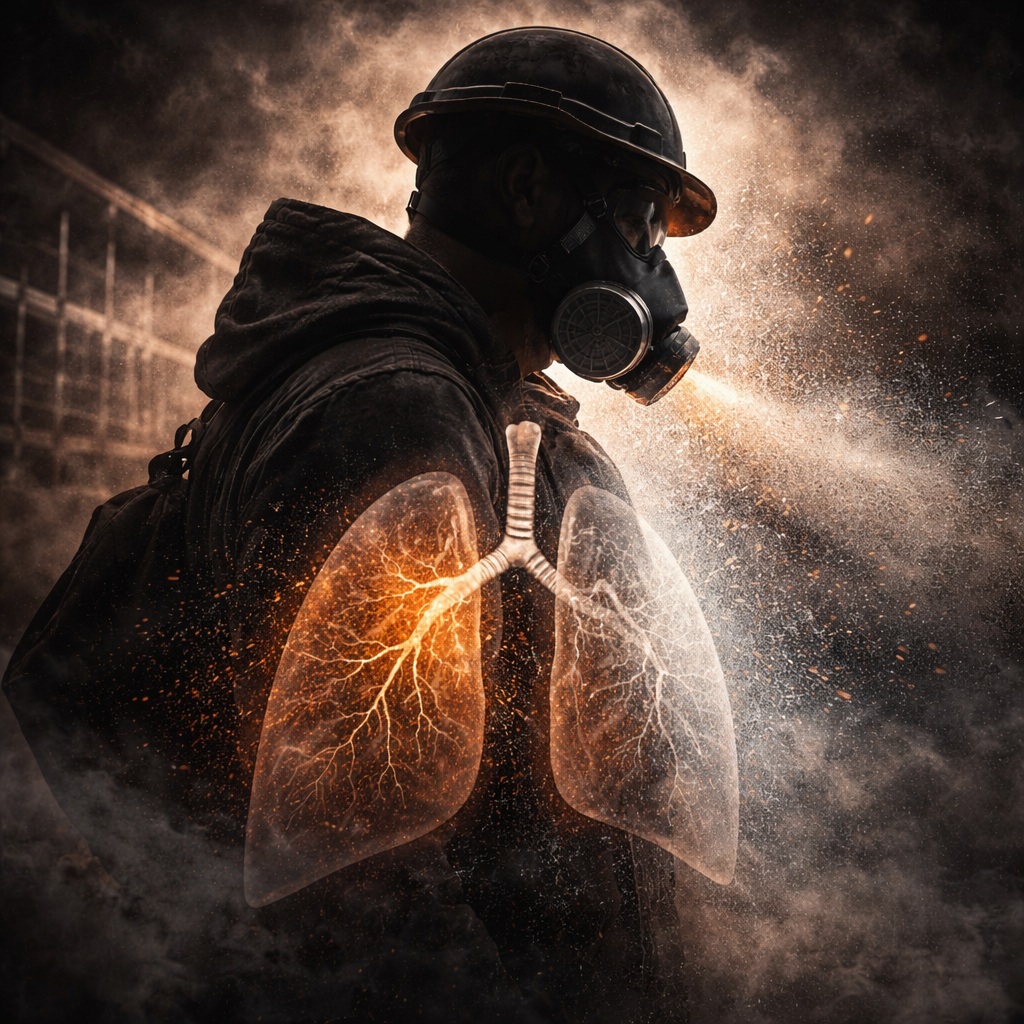
The Most Dangerous Jobs Are Not Always the Loudest
When Americans think of dangerous work, they usually picture accidents.
-
Falls from heights
-
Heavy machinery
-
Explosions or collapses
But the most damaging jobs in America usually do not break you in a single moment.
They wear you down slowly.
Toxic trade exposure is about what enters the body day after day, often without immediate symptoms. Fine dusts, metal fumes, chemical mists, and sensitizers can lodge in the lungs, penetrate the skin, or disrupt the nervous and immune systems.
Years later, the damage shows up as chronic disease, cancer, or permanent disability.
This ranking focuses on long term toxic exposure, not short term injury risk.
How These Trades Were Ranked
What Defines a Toxic Trade Job
Trades were evaluated using four evidence based criteria:
1. Toxicity of the primary substances
Priority was given to known human carcinogens, fibrogenic dusts that scar the lungs, and chemicals that permanently alter biology.
2. How unavoidable the exposure is
Jobs where normal tasks routinely generate airborne contamination ranked higher than trades where exposure is occasional.
3. Frequency and duration of exposure
Daily or repeated exposure over long shifts increases cumulative dose and long term risk.
4. Strength of US health data
Trades with documented disease clusters, surveillance signals, or established occupational illnesses ranked higher.
Some lists describe trades as toxic because of stress, long hours, management culture, or injury risk. While those factors matter, they do not explain why many blue-collar workers experience long-term health decline even when injuries are avoided.
This page addresses a different question: which trades expose workers to substances that can damage the body quietly over decades.
The Rankings
Counting Down From Number 5 to Number 1
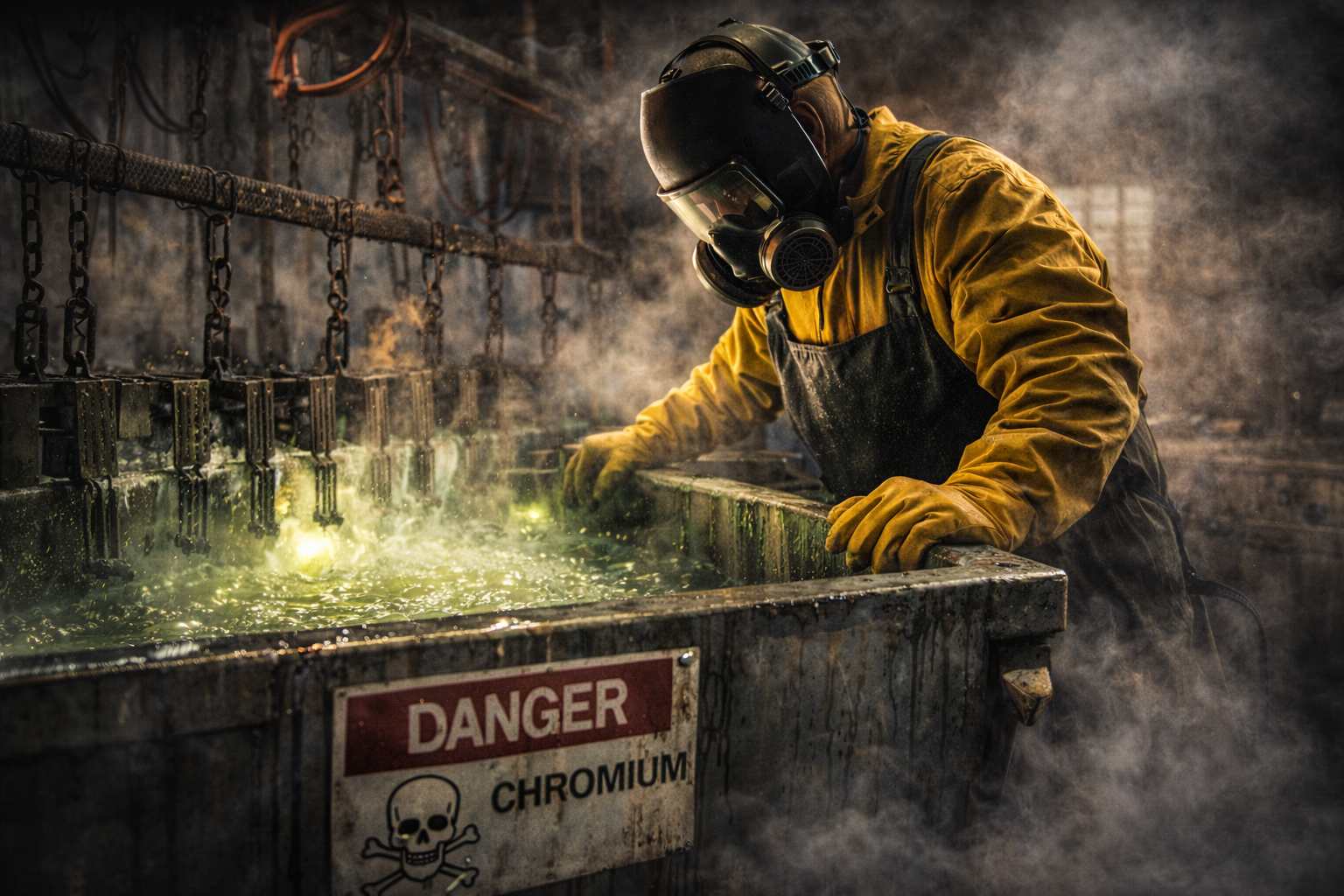
Number 5
Chrome Electroplating and Metal Finishing Jobs
Why This Trade Makes the Top Five
Chrome electroplating exposes workers to hexavalent chromium, one of the most dangerous industrial chemicals still in use today. This is not a rare exposure. Electroplating work often involves daily tasks around fixed tanks, meaning exposure can accumulate steadily over many years.
Primary Toxic Substances
• Hexavalent chromium compounds
• Chromic acid mist
• Strong acids and corrosive process chemicals
Common Exposure Scenarios
• Acid mist created when hydrogen bubbles burst at plating tanks
• Inhalation of fine airborne droplets
• Skin contact with chromium containing solutions
• Drag out and spills during part handling
Long Term Health Effects
• Lung cancer
• Nasal and sinus cancer
• Chronic nasal ulceration and perforation
• Severe skin damage and sensitization
National estimates suggest hundreds of thousands of US workers experience airborne hexavalent chromium exposure across industries, with electroplating among the highest risk environments.
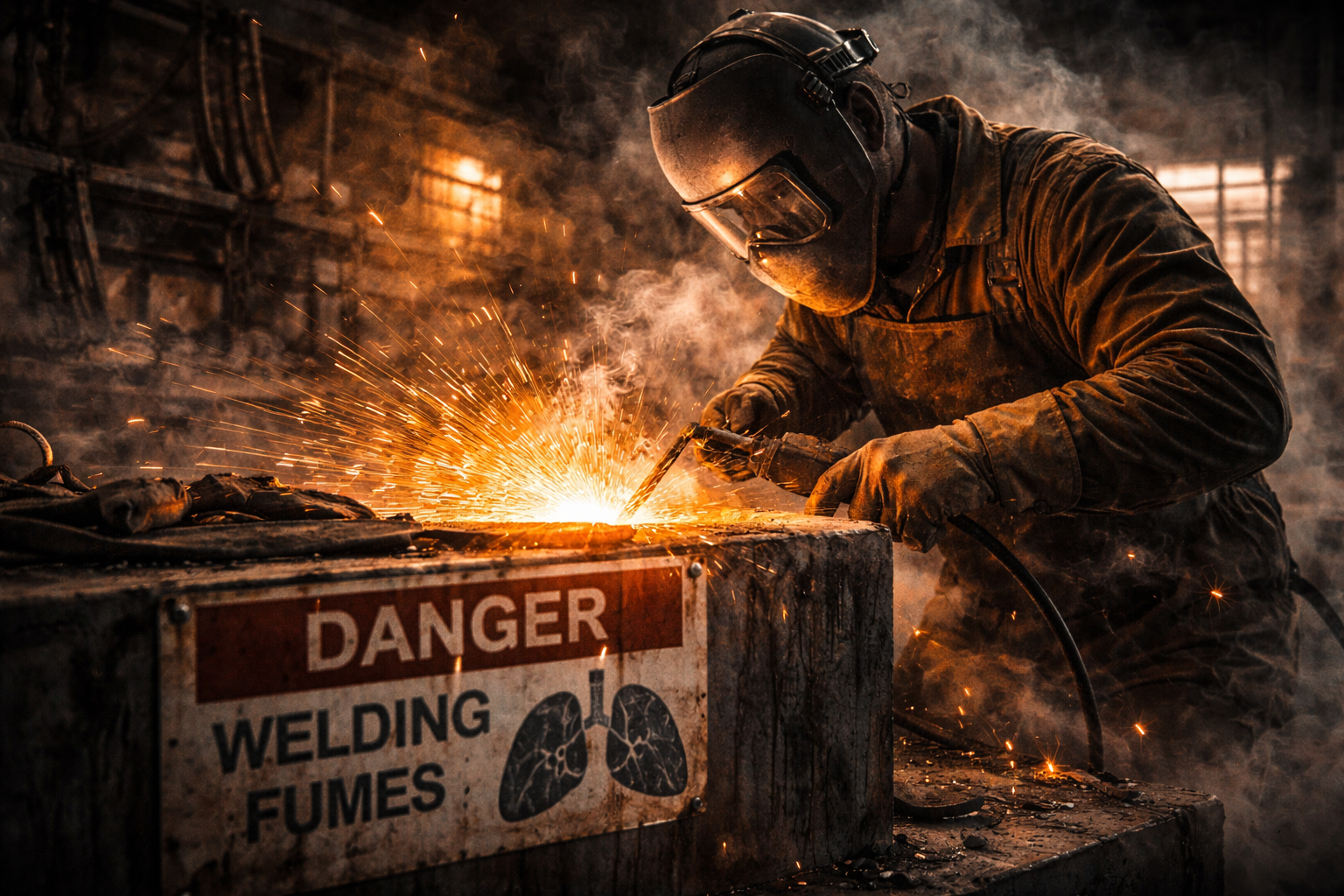
Number 4
Welding and Thermal Cutting Trades
Welding Fumes Are Not Just Smoke
Welding fumes are complex mixtures of metal particles and reactive gases created by high heat. These fumes are now classified as carcinogenic to humans based on long term occupational health studies.
Primary Toxic Substances
• Metal fumes containing manganese, chromium, nickel, cadmium, and lead
• Reactive gases such as ozone and nitrogen oxides
• Conversion of chromium into more toxic forms during welding
Common Exposure Scenarios
• Breathing zone exposure to fume plumes
• Welding in enclosed or confined spaces
• Welding on stainless steel or coated metals
• Inadequate ventilation or poor positioning
Long Term Health Effects
• Increased lung cancer risk
• Chronic lung disease
• Neurological damage
• Parkinson like symptoms linked to manganese exposure
With hundreds of thousands of welders in the US workforce, even moderate increases in disease risk translate into a major public health burden.
Number 3
Industrial Painting and Coating Removal
A Trade Defined by Chemical Mixtures
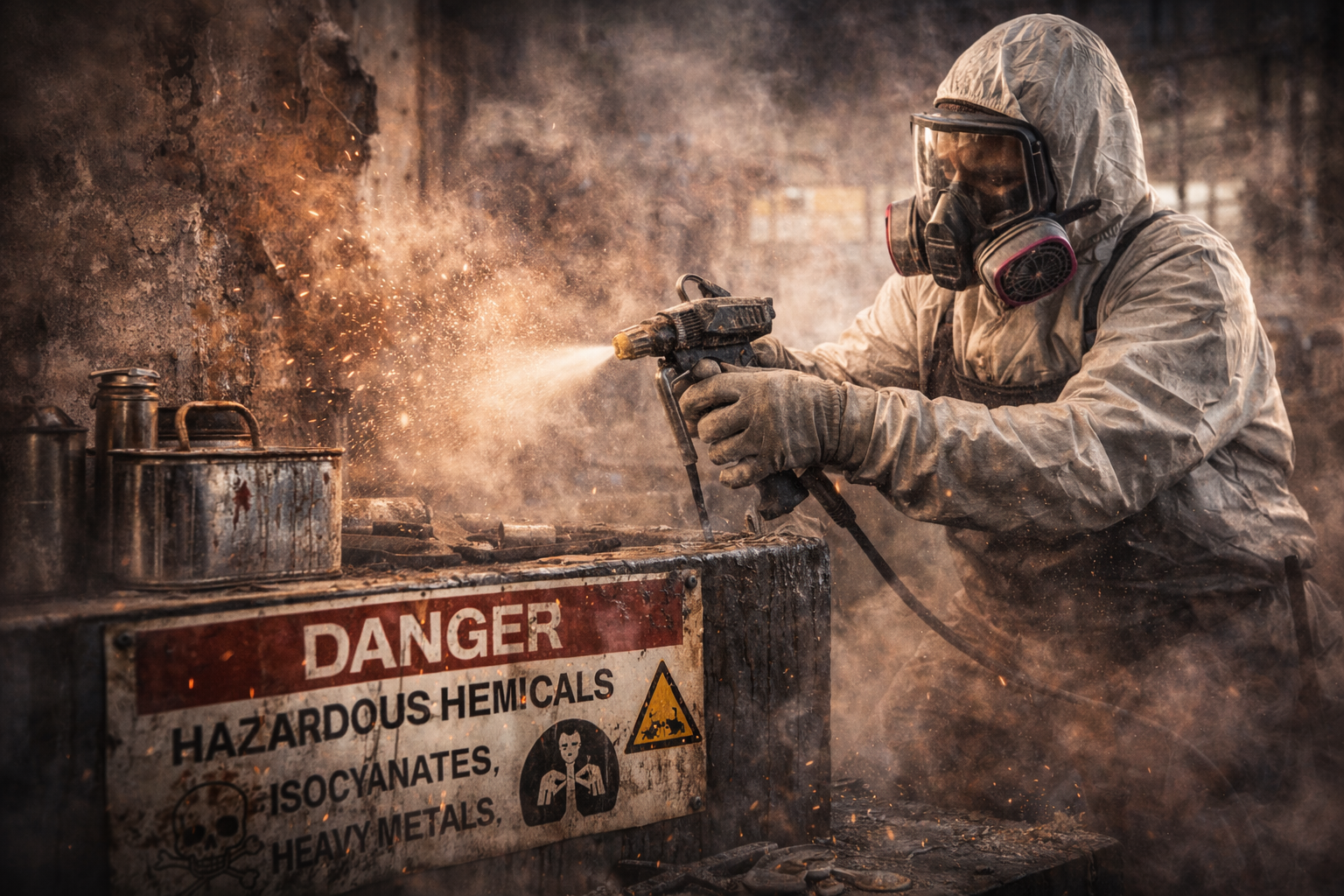
Industrial painting is toxic not because of one chemical, but because of overlapping exposures. Workers may inhale solvents, absorb chemicals through the skin, and disturb heavy metal containing coatings during surface preparation.
Primary Toxic Substances
• Organic solvents such as toluene and xylene
• Isocyanates in polyurethane coatings
• Heavy metals including lead, cadmium, and chromium
• Dust from abrasive blasting and grinding
Common Exposure Scenarios
• Spray application creating inhalable aerosols
• Mixing and cleanup with solvent based products
• Coating removal inside containments
• Skin absorption and ingestion from contaminated hands
Long Term Health Effects
• Occupational asthma from isocyanate sensitization
• Chronic nervous system effects
• Increased cancer risk
• Lung and bladder cancer associations
Once sensitized, even very small future exposures can trigger severe asthma. The occupation of painter is classified as carcinogenic based on consistent evidence.
Number 2
Asbestos Abatement and Asbestos Disturbing Demolition
A Legacy Hazard That Still Kills
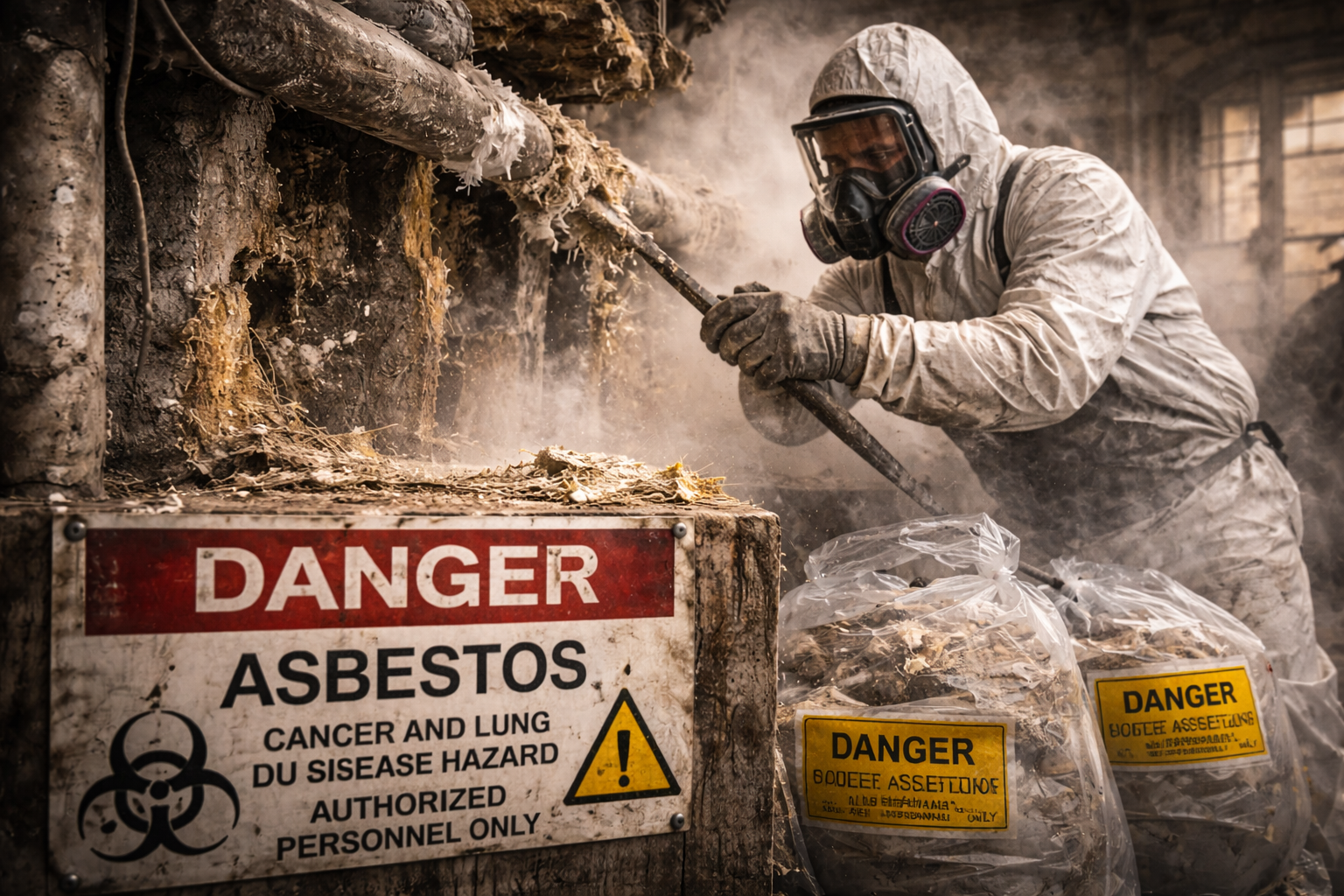
Asbestos remains one of the deadliest occupational hazards ever used in construction. While new use declined, millions of US buildings still contain asbestos in insulation, fireproofing, and structural materials.
Primary Toxic Substances
Asbestos fibers from legacy building materials
Common Exposure Scenarios
• Demolition and renovation of older buildings
• Maintenance work disturbing asbestos containing materials
• Inhalation of airborne fibers
• Take home exposure on clothing and tools
Long Term Health Effects
• Mesothelioma
• Lung cancer
• Asbestosis
• Pleural disease
Mesothelioma often appears decades after exposure and has a poor survival rate. US mortality data continues to show thousands of asbestos related deaths each year.
Number 1
Engineered Stone Countertop Fabrication and High Silica Cutting
The Most Dangerous Modern Trade Exposure
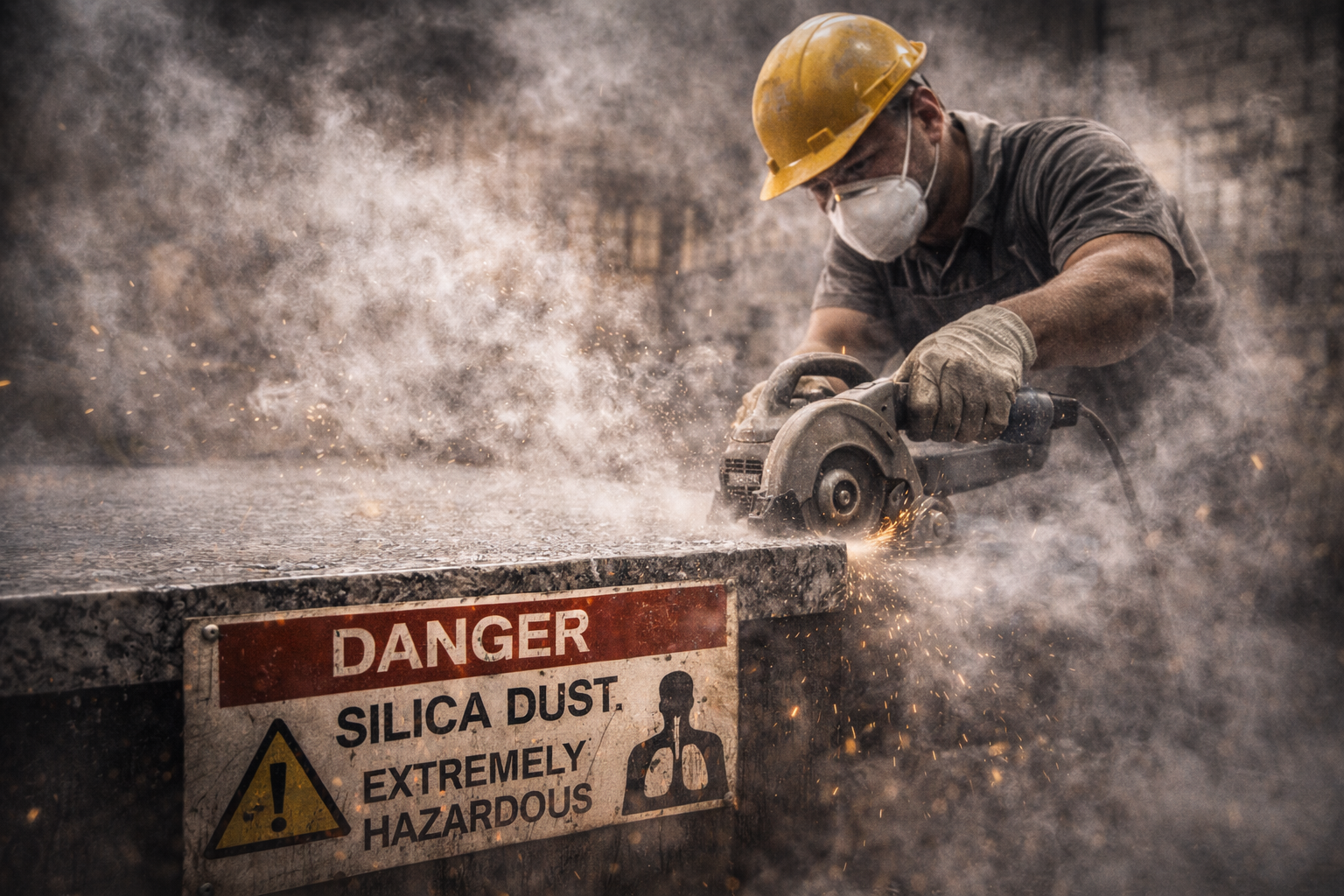
Engineered stone fabrication ranks highest due to extreme silica content combined with dust generating work processes. Many engineered stone products contain more than ninety percent crystalline silica.
Primary Toxic Substances
Respirable crystalline silica
Common Exposure Scenarios
• Dry cutting, grinding, polishing, and drilling
• Dust generation at fixed shop stations
• In home finishing and installation
• Disturbing settled dust during cleanup
Long Term Health Effects
• Accelerated and chronic silicosis
• Chronic obstructive lung disease
• Kidney disease
• Increased lung cancer risk
US case series document severe disease in relatively young workers, including lung transplants and fatalities after surprisingly short careers.
This is one of the clearest occupational health crises in modern American industry.
Honorable Mention:
Other Toxic Trades That Deserve Attention - We See You!
While the top five represent the highest documented long term toxic burden, many other trades face meaningful chemical and particulate exposure depending on tasks, materials, and controls. We want to recognize all of the risk and sacrifice that all hard working blue collar Americans subject themselves to, all to get the job done. Thank you.
These include:
Chimney sweeps and fireplace service technicians
Exposure to creosote and soot containing carcinogenic polycyclic aromatic hydrocarbons.
Foundry workers and metal casting trades
Exposure to metal fumes, silica sand, and combustion byproducts.
Miners and quarry workers
Chronic exposure to respirable dusts including silica and diesel exhaust.
Oil and gas extraction workers
Exposure to hydrocarbons, silica during fracking, and chemical additives.
Agricultural workers and pesticide applicators
Exposure to herbicides, insecticides, and other toxic compounds.
Diesel mechanics and heavy equipment operators
Chronic exposure to diesel exhaust particulates.
Firefighters and fire restoration crews
Exposure to combustion byproducts, synthetic smoke, and toxic debris.
These trades may not show the same population level disease signals as the top five, but exposure risk is real and deserves respect. These trades and more risk their safety every day to make this country run.
The Pattern Behind the Most Toxic Jobs in America
Across all of these trades, the same pattern repeats:
• Highly hazardous substances
• Routine airborne or skin exposure
• Variable real world controls
• Damage that accumulates silently
The danger is rarely dramatic.
It builds slowly and often appears only when the damage is irreversible.
Get Rid of Toxic Overload
America runs on the backs of skilled tradesmen and women.
Understanding which jobs carry the greatest long term toxic exposure allows workers, families, and employers to demand better controls, smarter practices, and stronger protections.
You cannot eliminate every hazard.
But you can stop pretending they do not exist.
And that starts with telling the truth.
Then you can work on supporting yourself, not getting in the way.
If you work a toxic trade, you know that your body's detox system is under heavy load. Supporting that system is critical, or you will start to lose your energy and vitality.
Wondering where to start?
Discover how to get rid of that toxic overload, and get back your health independence, by clicking the button below.
FAQ
-
No, a trade job is considered toxic when workers experience repeated long-term exposure to substances that enter the body through the lungs or skin and accumulate damage over time. This includes airborne dusts, metal fumes, chemical mists, and sensitizers that may not cause immediate symptoms but are linked to chronic disease years later.
This is different from jobs that are dangerous due to accidents, falls, or injuries.ales funnel builder exclusively for Shopify stores.
Understanding toxic exposure is not about fear. It is about awareness, protection, and long-term health independence for the men and women who keep this country running.
By now, if you work a toxic trade, you've seen that you may need some kind of detox. If you want to see the best path to daily detox right now, click below.
